Castles in the Sky
11 November – 13 December
Artist
About the exhibition
This is not a calisson
How should we respond to what appears to be a contradictory injunction, a double bind: to respond to Gladys Bonnet’s request, to write a text for her, to give a speech on the subject, based on her visual work, which is so eminently, irreducibly pictorial, when I have good reason to believe that she is wary (to say the least) of discourse on art, of discourse that parasitises it, sometimes even replacing it, of this proliferation of grandiose and/or insipid chatter of which our era provides all too many examples. And while I am not only not an artist, I am not even an art historian, but rather, let’s say, a literary historian or philologist... Let’s try anyway.
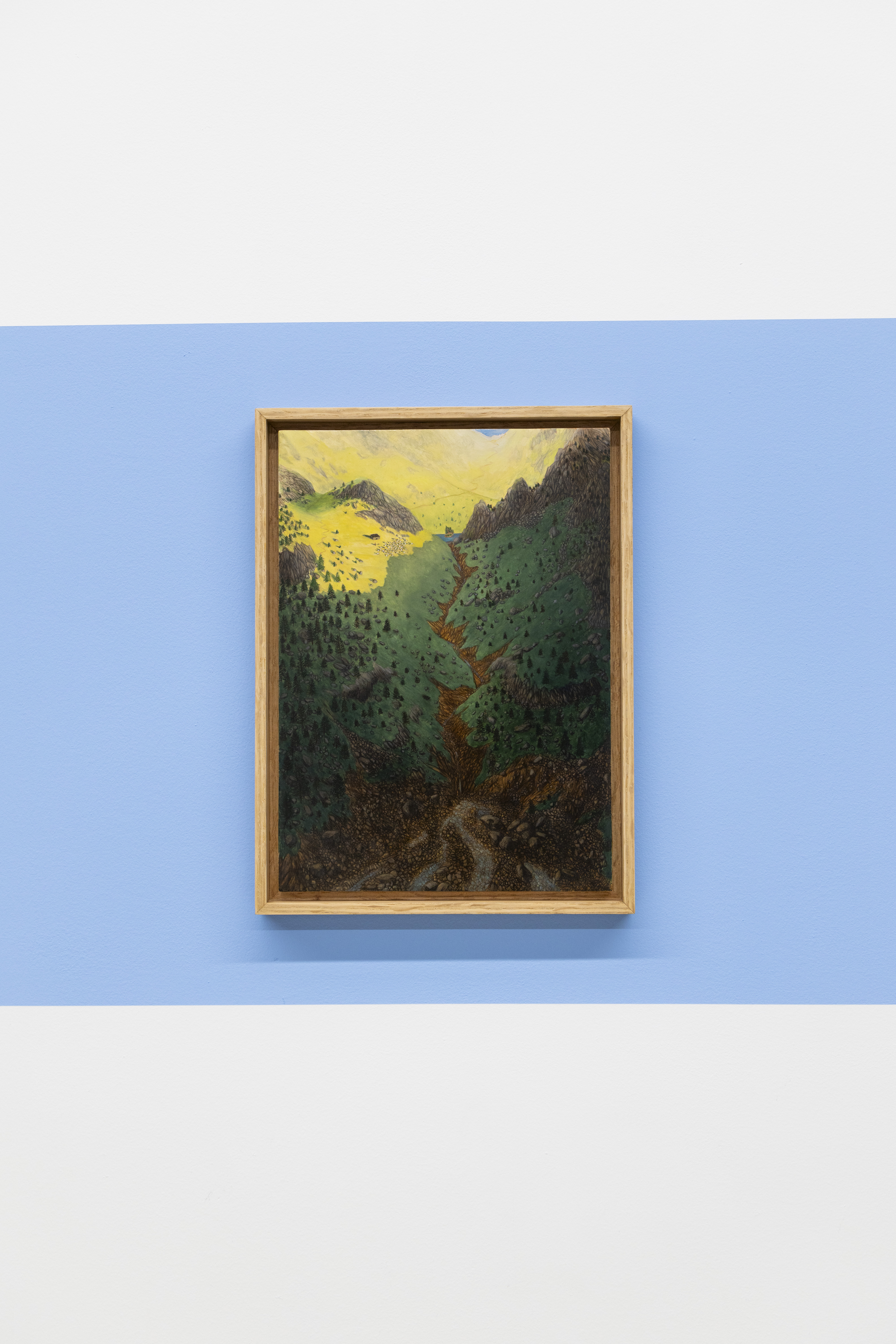
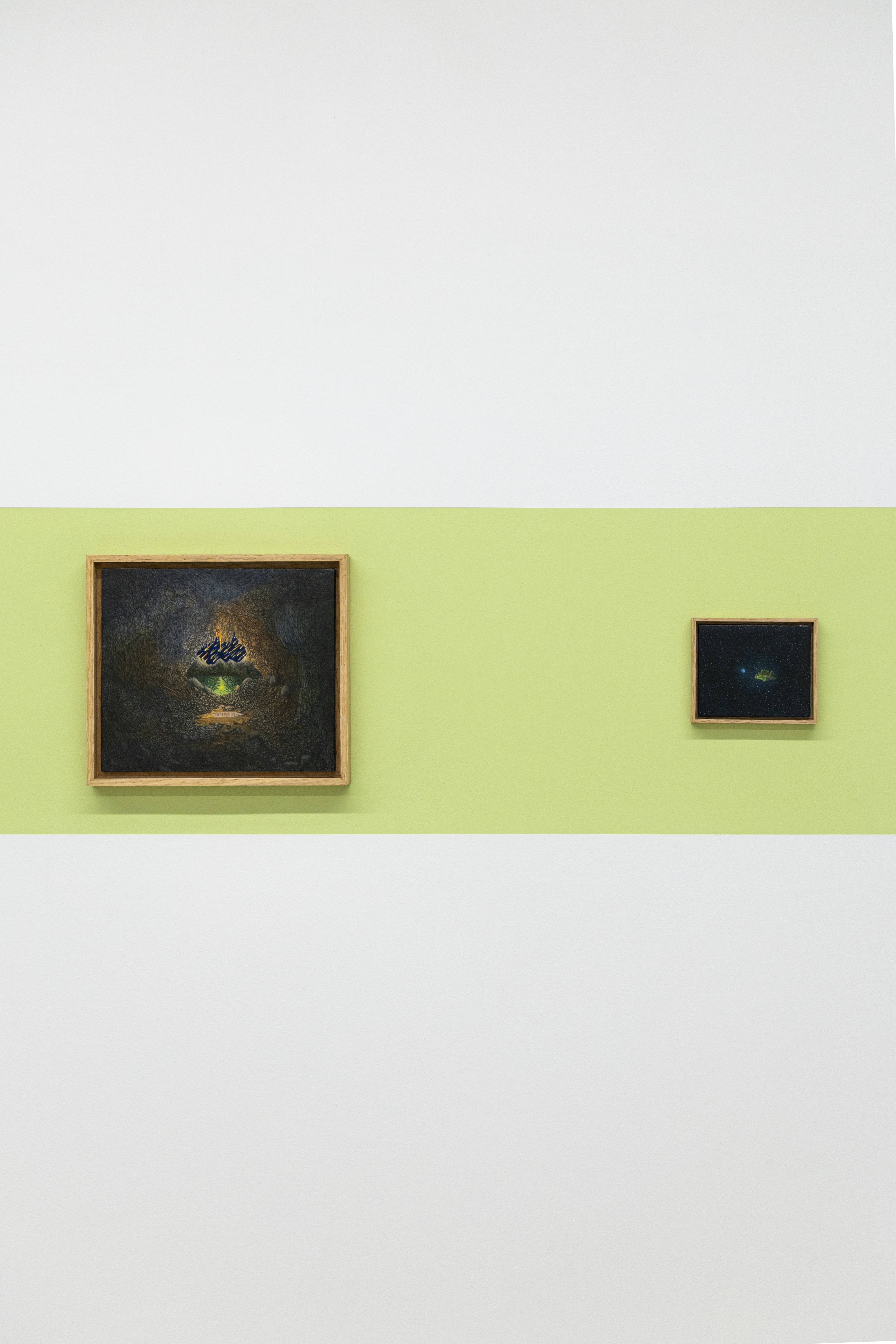
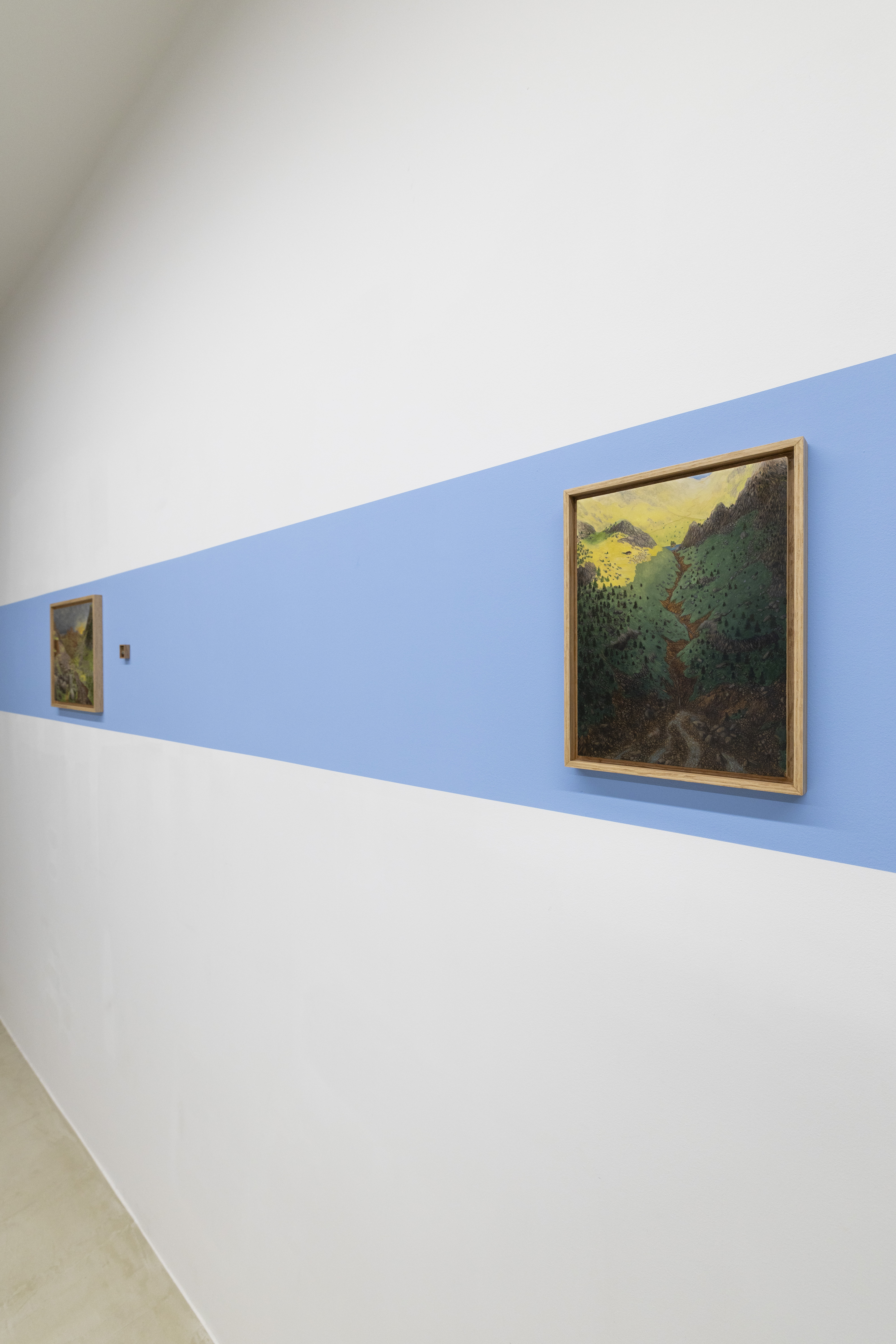
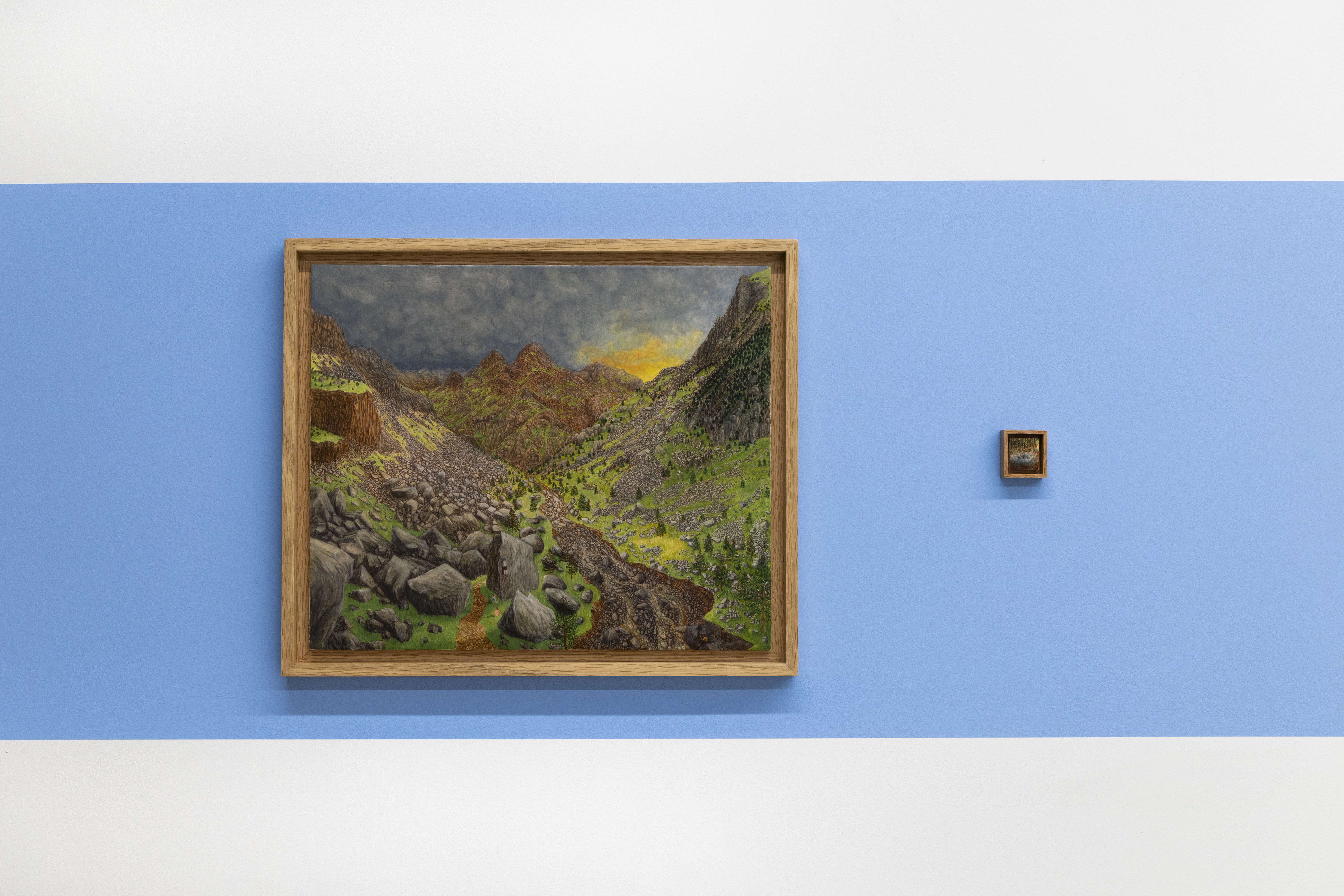
Gladys loves long walks in places that are not too marked, not too altered by human presence, except perhaps for traces of ancient agricultural or pastoral activities (during a short walk, she confided to me that, for her, the Soignes Forest was... a nice little park!). These explorations are captured in photographs, which she does not show (I have seen them), and then comes the work of painting, which reflects them, but which of course recasts everything, reworks it according to its own laws, intractable and sometimes obscure, especially for me, who is ‘all thumbs’.
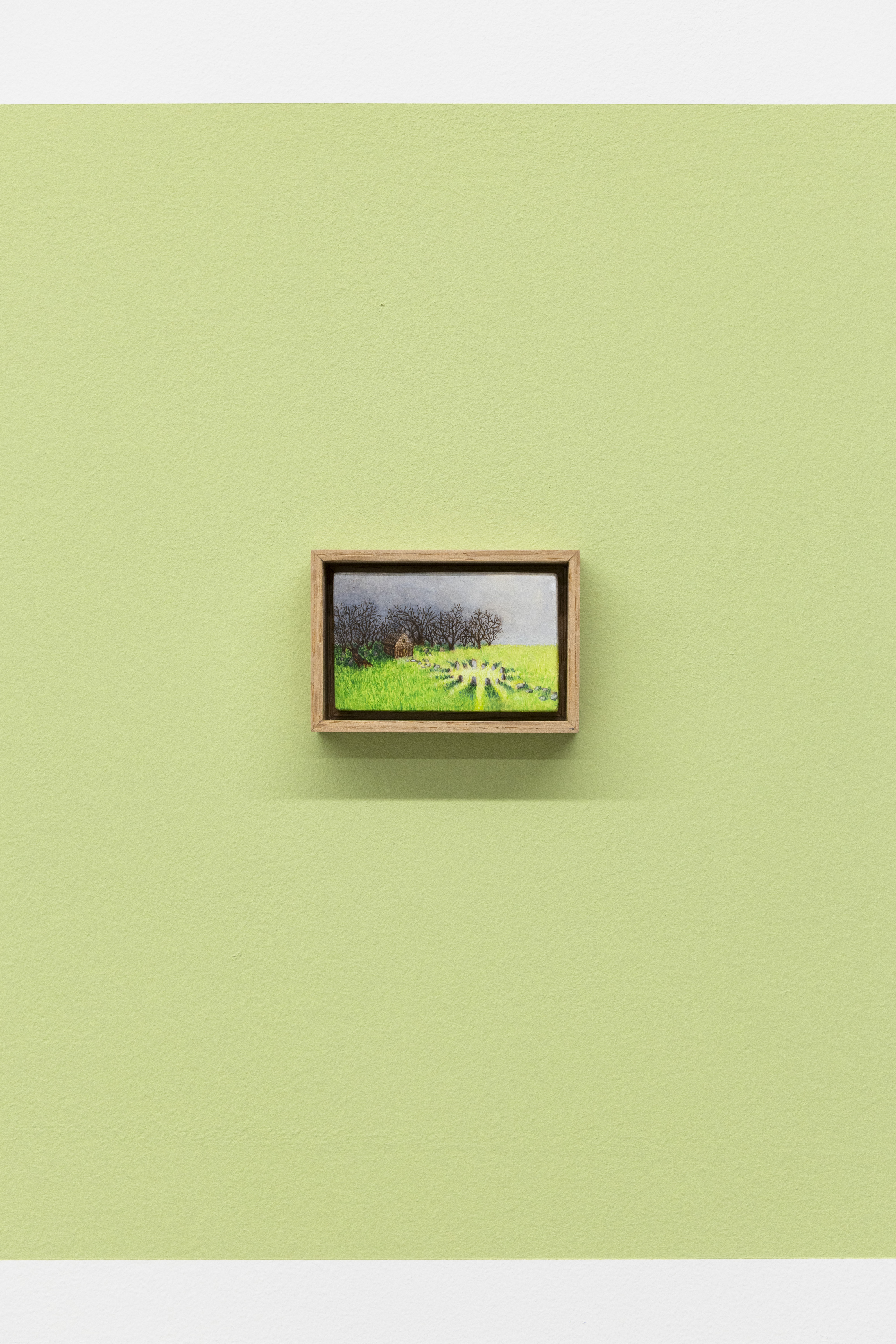
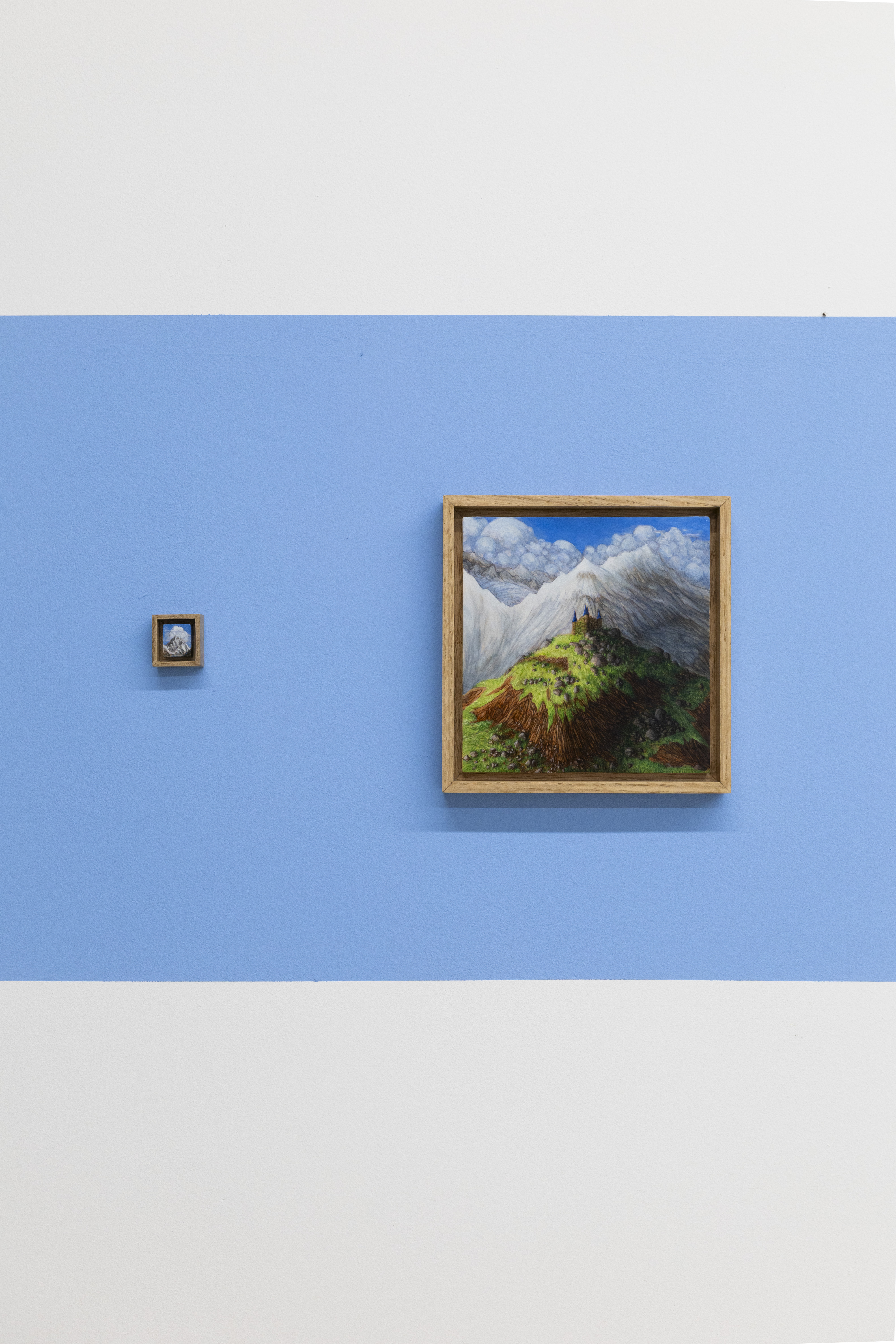
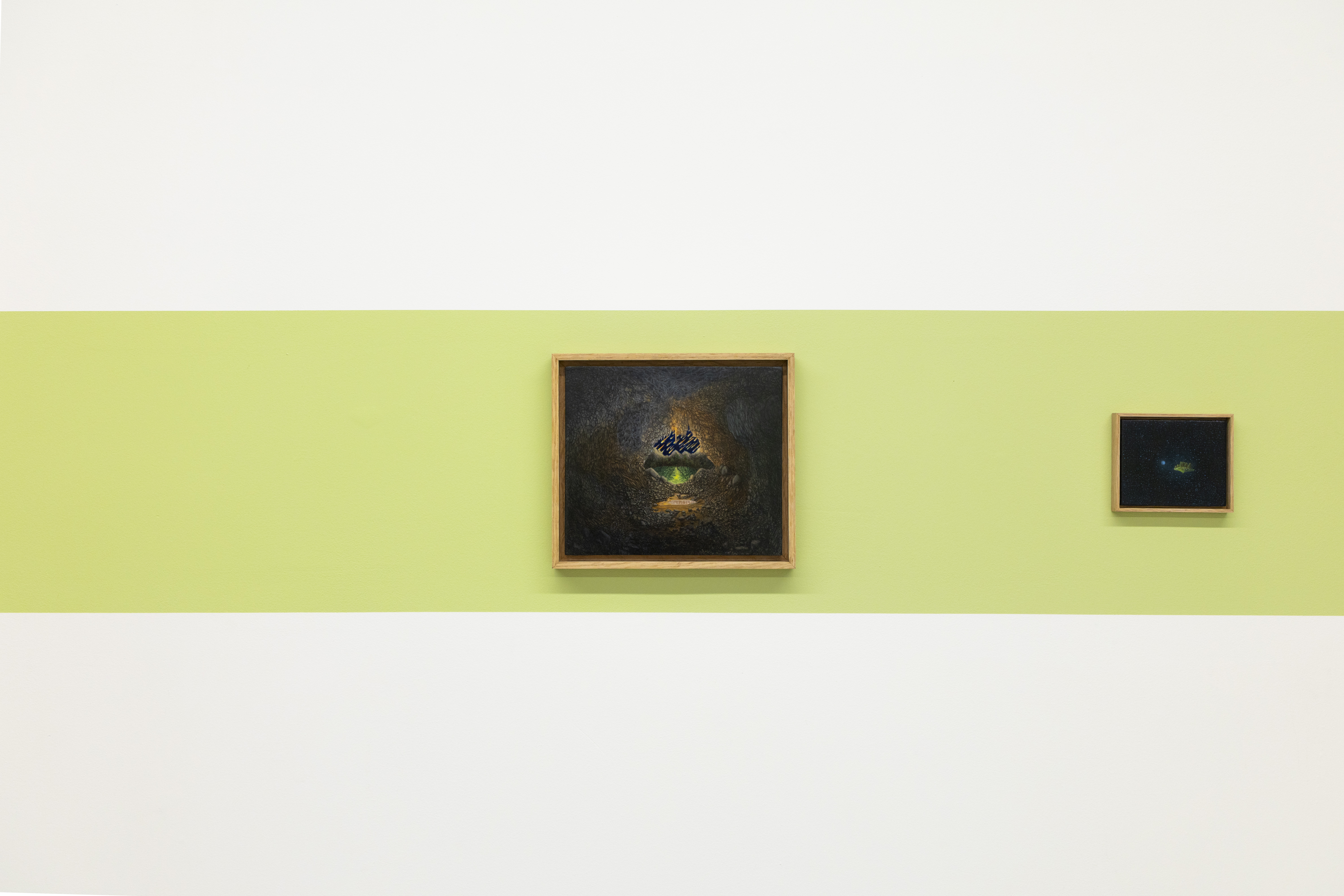
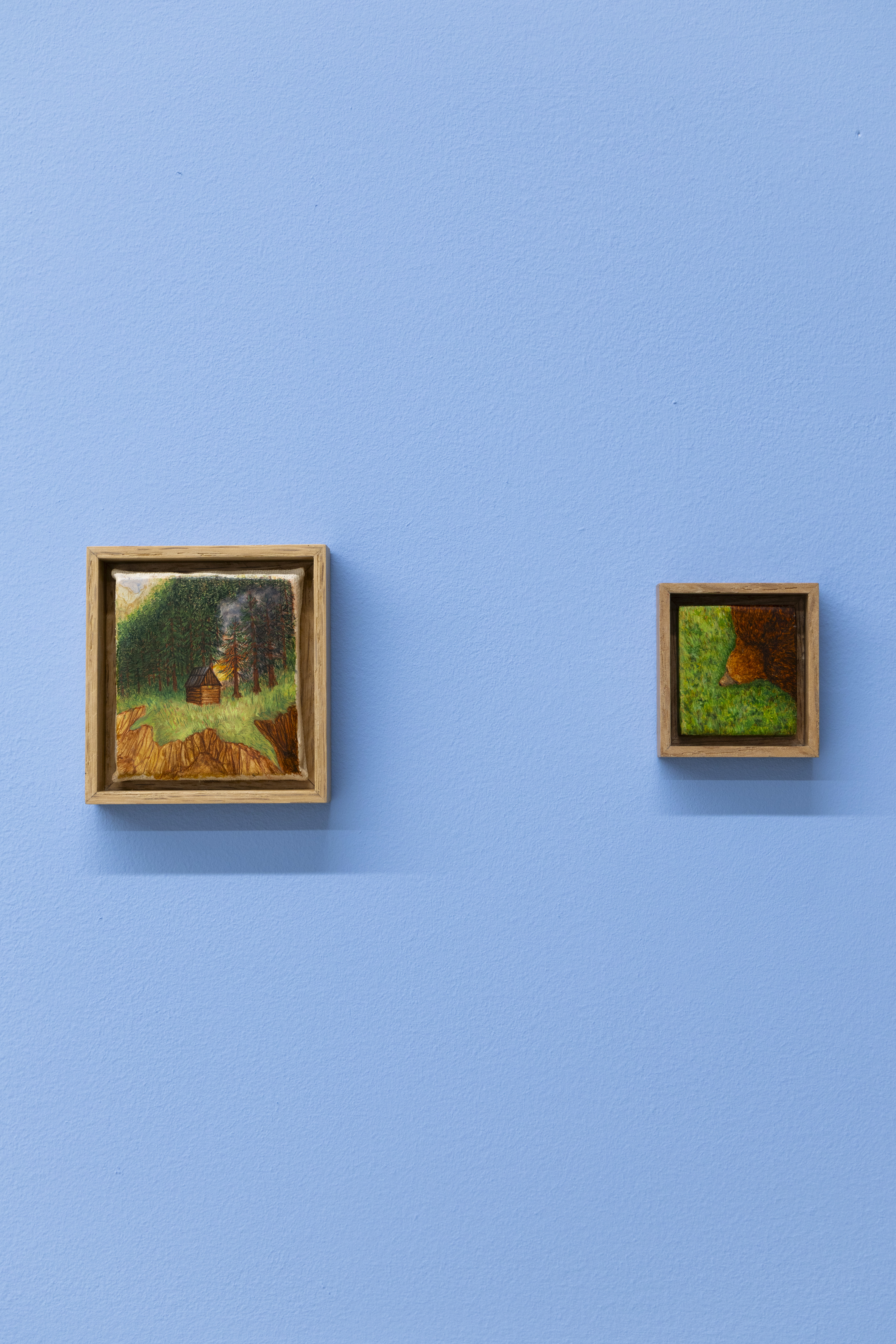
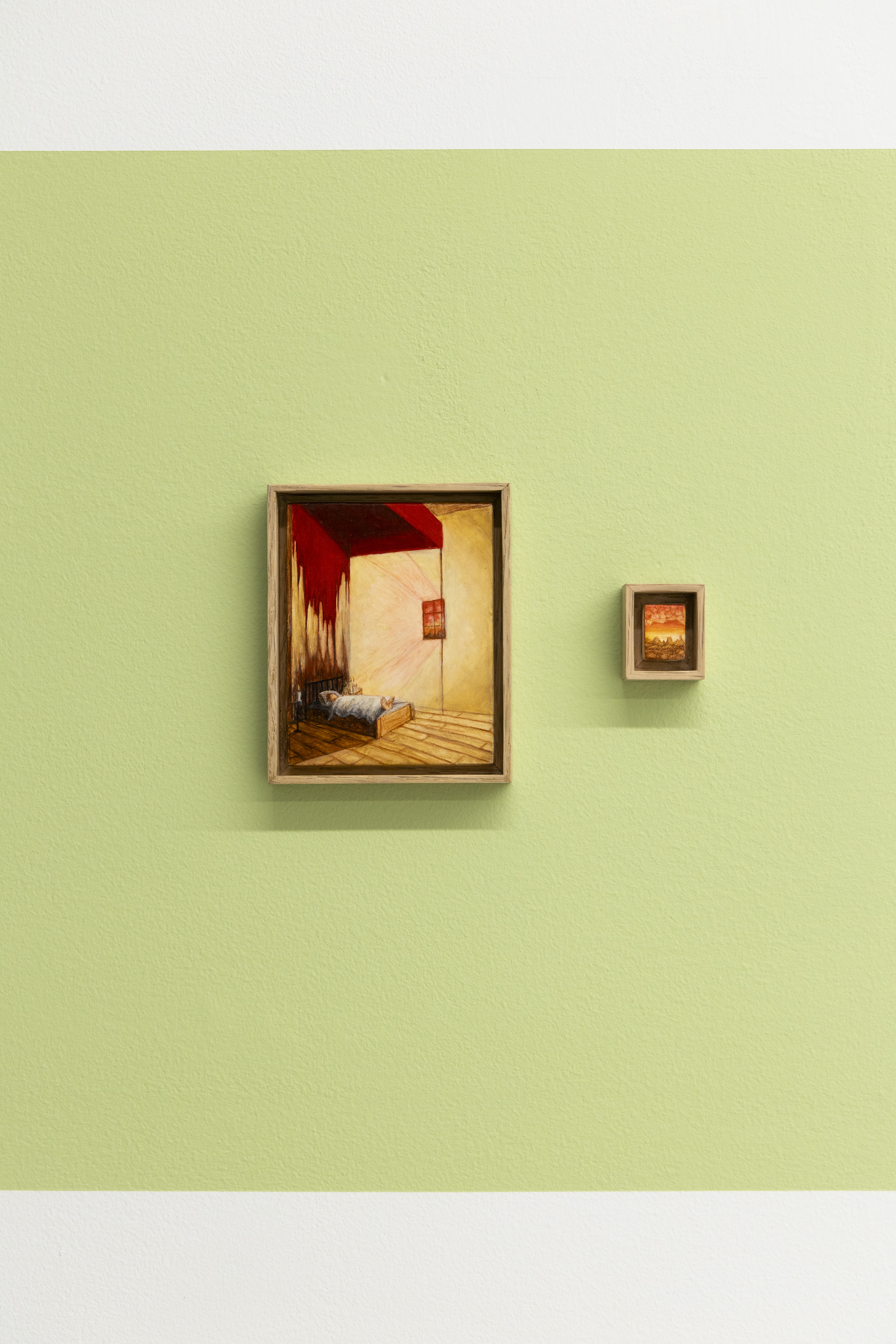
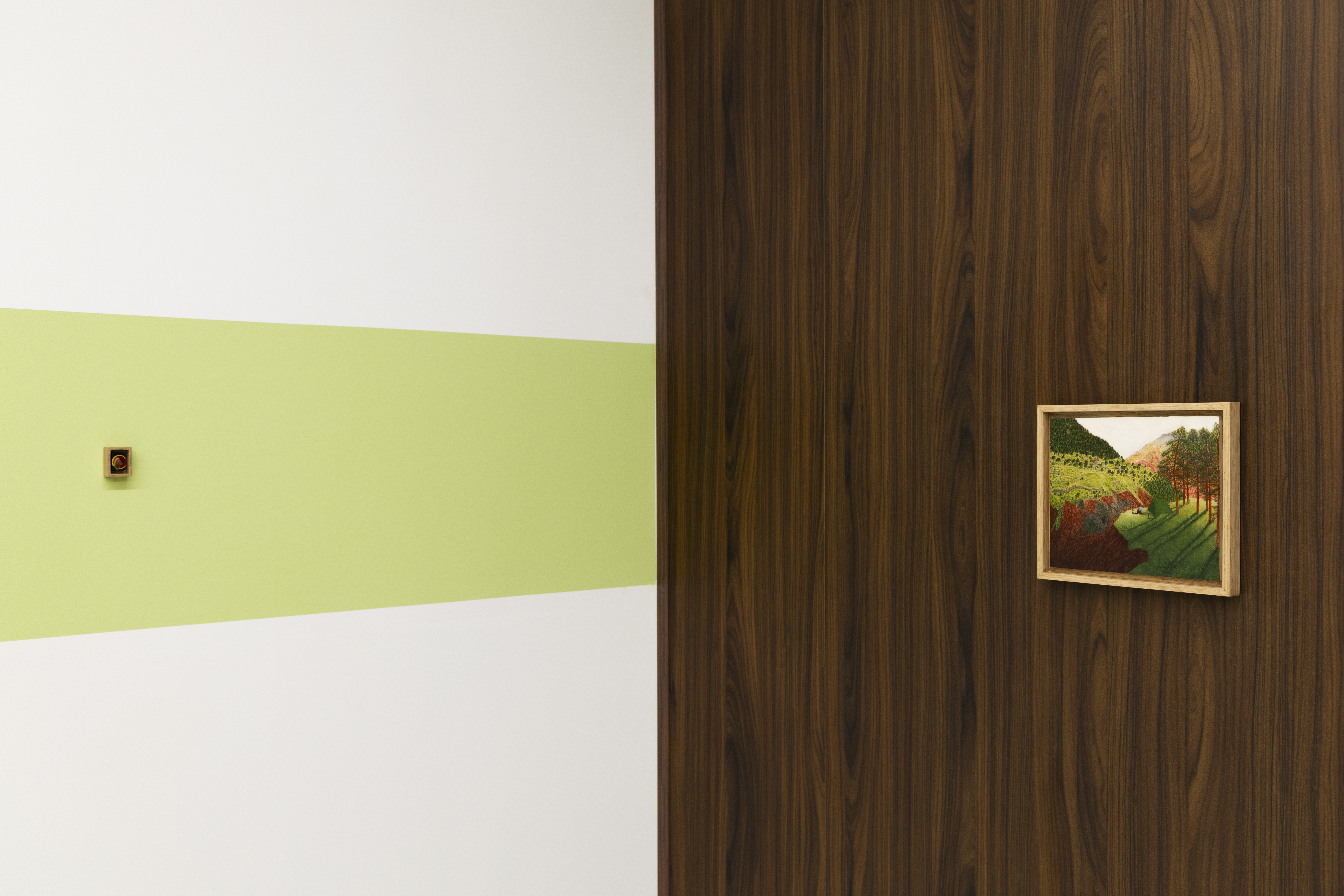
What strikes me most are his numerous small, tiny paintings (I had initially thought of calling this piece ‘The choice of small’). One might be tempted to see them as cute, sweet, “cute” (Sianne Ngai) or “dainty” (J. L. Austin), or even “quaint”, a bit like little trinkets or toys that one could pick up, put in one’s pocket, or consume, like the “culinary” art that Adorno mocks... But nothing could be further from the truth, because these little things are not nice, not pretty, nor even really beautiful. They have more to do with the sublime, which therefore surpasses us in its strength or size, which we cannot control — because these small works concentrate the somewhat frightening force of nature around which everything revolves, and which the painting, often dark, elaborate and tormented, depicts, sometimes with its flaws and chasms that will not let you escape so easily. Yes, the sublime does not necessarily require the dimensions of John Martin’s The Bard... and the small size of the painting, contrasting with the immensity of what it hints at, perhaps only increases the wound of the sublime.
But, you might say, Gladys Bonnet does not only paint tiny pictures, and her already considerable body of work includes much more than landscapes. And indeed, these few words are not intended to “cover everything”, nor to replace the wanderings of the viewers, the sharpness of their gaze, their thoughts, their perplexity perhaps. Haunting these castles in the sky — those of Haute Provence, perhaps, at the Comtessa de Dià’s.
Philippe Hunt